


Ranking The Albums: ZZ Top
Aug 23
9 min read
Written: 22nd / 23rd August 2026
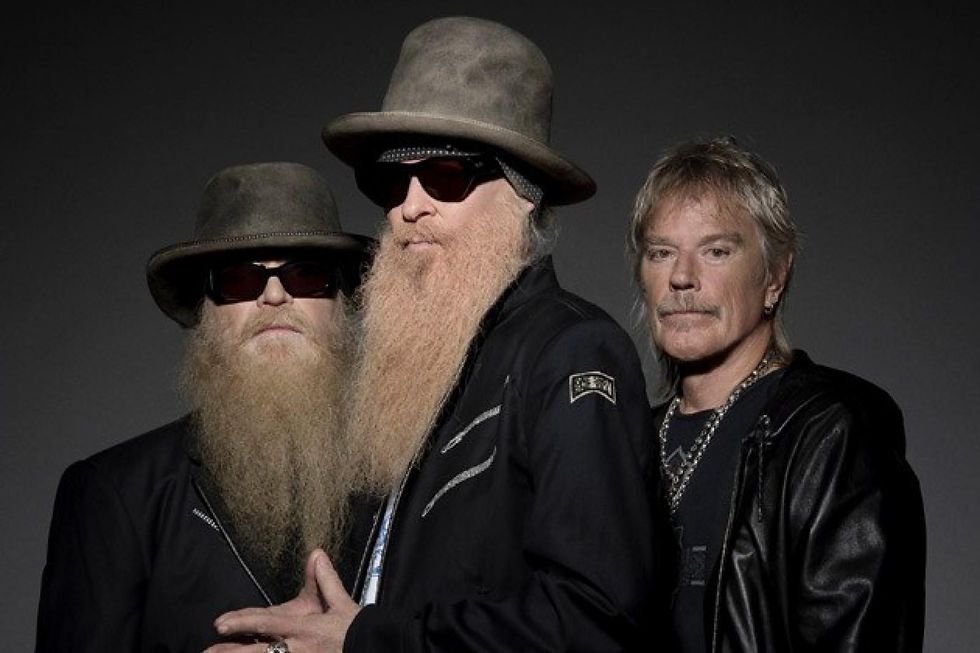
This is a ranking I had intended to write for some time. The recent passing of Frank Beard prompted me to immerse myself in the ZZ Top catalogue and to reflect upon the extraordinary music the band have created.
ZZ Top are one of those bands whose music I was aware of long before I became a genuine fan. During the mid-1980s, I was familiar with several of the singles, particularly those from Eliminator, but I did not actually own a copy until shortly after my sixteenth birthday in 1988. Having finally added it to my collection, I followed it with Afterburner and Tres Hombres and gradually began to explore more of the band's catalogue. What started as an appreciation for a handful of well-known songs soon developed into a much deeper admiration for ZZ Top as an album band.
As I have said in previous rankings, the time and place in which you discover an album can have a huge effect on how you feel about it years later. Some of the albums in this ranking have been part of my life for almost forty years, while others were discovered a little later. This ranking also reflects the fact that certain albums become part of your life in a way that goes beyond simply deciding whether it is technically the band's best work.
ZZ Top produced some hugely recognisable singles over the years, but their studio albums contain plenty of material that deserves consideration beyond the obvious hits. In compiling this list, I have attempted to balance decades of listening with a complete revisit of the band's studio catalogue during the past week. The result reflects both how these albums have shaped my musical life and how I feel about them today. As always, I am sure there will be plenty here to disagree with, so feel free to add your own rankings and comments at the end! Have mercy!
15: XXX (1999)
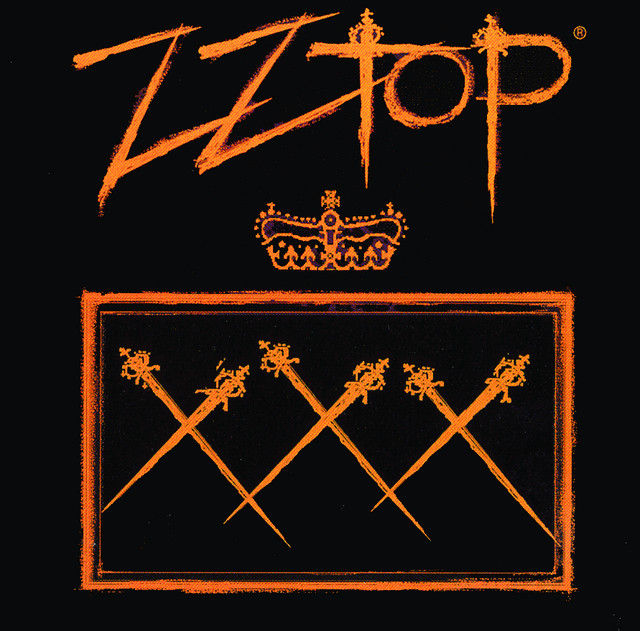
Following Rhythmeen, it felt as though ZZ Top were heading in the right direction to make another really good album. Unfortunately, like many fans, I found XXX to be a disappointment. More than twenty-five years later, it remains my least listened to ZZ Top album and revisiting it for this ranking did little to change my mind. There are moments that hint at the ZZ Top of old and the odd flash of the band’s familiar attitude but ultimately, the songwriting lacks focus and direction. The production rarely comes alive and the album never develops the groove and swagger that made the band so distinctive. One of the few occasions where ZZ Top sound as though they have no clear sense of purpose and the only album in their catalogue where the weaknesses outweigh the strengths.
Three favourite tracks: Fearless Boogie, 36-22-36, Trippin'
14: El Loco (1981)
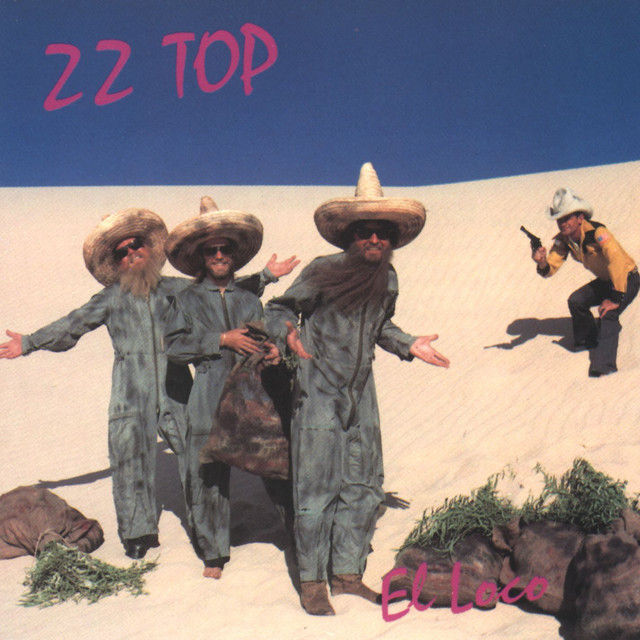
El Loco remains an important album even if it never feels completely cohesive. There are some genuinely excellent songs here but not all of the material leaves a lasting impression, which prevents the album from reaching the level of the records that preceded it. While Degüello largely refined elements that were already part of ZZ Top's sound, El Loco pointed towards the future, introducing ideas and influences that would become far more prominent on Eliminator. The result is a slightly disjointed transitional album which feels caught between two eras.
Three favourite tracks: Tube Snake Boogie, Pearl Necklace, Party On The Patio

13: Afterburner (1985)
During the late eighties, Afterburner received a huge number of plays in my house. Over time, however, it received fewer and fewer spins while other ZZ Top albums retained their appeal. Revisiting it recently, several moments reminded me why I liked it so much in the first place. Looking back, though, it feels less like a natural progression and more like an attempt to repeat the commercial success of Eliminator while pushing the synthesiser-driven sound and programmed elements even further. To be fair, there are several memorable songs, with Planet of Women being my favourite. By contrast, Rough Boy is a song I have never really warmed to despite its popularity at the time. While I would not describe Afterburner as a bad album by any means, it lacks the consistency of Eliminator and has not aged as well.
Three favourite tracks: Planet of Women, Velcro Fly, Delerious

12: Antenna (1994)
Having become a fan during the Recycler era, I was eagerly anticipating Antenna and curious to see where ZZ Top would go next. While some critics felt it lacked the impact of the band's most celebrated releases, I have always had a certain affection for it and still revisit it from time to time. Rather than attempting to reinvent themselves, they delivered a collection of songs that played to their established strengths. The album may not possess the cultural significance of Eliminator or the personality of some of their seventies records but it remains an engaging listen.
Three favourite tracks: Pincushion, Antenna Head, PCH

11: Rhythmeen (1996)
When Rhythmeen was released, it felt as though ZZ Top were deliberately moving away from the approach that had defined much of the previous decade. Darker, heavier and built around deep grooves rather than obvious hooks, it is unlike any other album in their catalogue. I cannot pretend that it was an immediate favourite, but over the years, I have found myself returning to it more often than many of the albums that initially made a stronger impression. There is something admirable about the band's commitment to a particular sound and atmosphere. The result is an album that has grown in stature with every passing year.
Three favourite tracks: Zipper Job, She's Just Killing Me, Loaded

10: Mescalero (2003)
Following the disappointment of XXX, Mescalero was a significant improvement and suggested that ZZ Top still had plenty left to offer. What stands out, is the willingness to try different ideas without losing sight of what made the band successful in the first place. Its biggest problem is not the quality of the material but the quantity. At sixteen tracks (seventeen with the hidden track), it is simply longer than a ZZ Top album needs to be and a more disciplined running order would almost certainly have strengthened it. Even so, there is more than enough worthwhile music here to justify repeated visits and it hinted that an even stronger album was still to come.
Three favourite tracks: Mescalero, What Would You Do, Liquor

9: La Futura (2012)
At this point in the ranking, we reach the stage where I consider every remaining album to be genuinely excellent and the gap between them begins to narrow considerably. Nine years had passed since Mescalero, by far the longest gap between any two ZZ Top studio albums, and I remember wondering whether the band would release another record at all. The influence of Rick Rubin can be heard throughout La Futura and the band sound re-energised. The album possesses an immediacy and rawness that had been missing from parts of their later catalogue and, unlike Mescalero, there is no sense of the running time getting away from them. Every track feels as though it deserves its place and, when it finally arrived, the result was ZZ Top's strongest album in more than twenty years.
Three favourite tracks: I Gotsta Get Paid, Flyin' High, Big Shiny Nine

8: Tejas (1976)
Tejas is one of those ZZ Top albums that seems to become more highly regarded with each passing year. While it may lack the obvious hits found on some of the records ranked above it, many fans appreciate its more relaxed and reflective nature. The songwriting displays a maturity and the wish to let the music breathe which gives the album its own distinctive identity. The trio sound completely comfortable with one another at this point - the assurance developed across the previous five albums evident throughout. Rather than chasing immediacy, Tejas rewards patience and repeated listening.
Three favourite tracks: Arrested For Driving While Blind, Ten Dollar Man, She's A Heartbreaker

7: ZZ Top's First Album (1971)
I came to ZZ Top's First Album much later than several of the band's other releases, perhaps because albums such as Eliminator and Tres Hombres naturally attracted my attention first. When I finally spent time with it, however, I was struck by just how accomplished it was for a debut. Much of what would define ZZ Top over the next five decades is already present. Billy Gibbons combines sharp blues phrasing with an instinctive understanding of when a simple riff is more effective than a flashy one. Dusty Hill and Frank Beard already display the easy chemistry that would become one of the band's greatest strengths, with Beard – credited on the sleeve as Rube Beard – favouring groove and feel over unnecessary embellishment. An excellent album and one that feels anything but a tentative first step.
Three favourite tracks: Brown Sugar, Goin' Down To Mexico, Just Got Back From Baby's

6: Eliminator (1983)
Growing up during the eighties, it was impossible to avoid Eliminator. The album turned ZZ Top into genuine superstars and the singles seemed to be everywhere. The accompanying videos and the irconic car were just as memorable and remain inseparable from the music in my mind. I was only eleven when the album was released and did not acquire my own copy until several years later. By then, some of the songs already felt deeply familiar. While I prefer a number of the band's earlier albums, there is no denying the achievement of Eliminator. More than forty years later, it remains hugely entertaining and an important part of my musical life.
Three favourite tracks: Gimme All Your Lovin', Sharp Dressed Man, Dirty Dog

5: Fandango! (1975)
When I first discovered that Fandango! was divided equally between live and studio recordings, I was intrigued by the concept. The live side provides a fascinating glimpse of ZZ Top on stage during their early years and captures an energy that is often only hinted at on their studio albums. Frank Beard's drumming is particularly impressive, providing the drive and momentum that helps bring the performances to life. It also serves as a reminder that, despite releasing several concert videos over the years, the band never produced a complete live album, which remains a great shame. The studio side is every bit as impressive, containing some of the strongest material from their seventies catalogue. The combination works remarkably well, demonstrating both sides of ZZ Top's appeal.
Three favourite tracks: Blue Jean Blues, Heard It On The X, Tush

4: Recycler (1990)
The release of Recycler in 1990 was a significant moment in my relationship with ZZ Top as it became the first newly released album I purchased as a fan. It received an extraordinary number of plays during the years that followed and rarely seemed far from my stereo. Its placement in this ranking will undoubtedly surprise many readers and I fully admit it reflects a classic case of favourite versus best. More than thirty-five years later, however, it remains the ZZ Top album I return to most often. It occupies a comfortable middle ground between the band's traditional strengths and the more modern direction they had pursued during the 1980s, stepping back towards their roots without completely abandoning the approach that had characterised Afterburner. My affection for it has not diminished with time.
Three favourite tracks: Concrete & Steel, My Head's In Mississippi, Doubleback

3: Degüello (1979)
Degüello was one of a number of ZZ Top albums I discovered during the nineties and it quickly became clear that the band had enjoyed a remarkable run throughout the seventies. By this point, I was beginning to appreciate their earlier sound far more than the material that had first introduced me to them and Degüello played a major part in that process. Although I enjoy most of the album enormously, Manic Mechanic is one track I have never really warmed to and it is among the reasons the albums above it occupy higher positions. Elsewhere, however, the songwriting is consistently strong and the record possesses an easy-going charm that makes it a pleasure to revisit.
Three favourite tracks: I'm Bad I'm Nationwide, A Fool For Your Stockings, Cheap Sunglasses

2: Rio Grande Mud (1972)
I did not hear Rio Grande Mud until the mid-nineties but it made an immediate impression. There was something about the album's atmosphere that set it apart from many of the band's contemporaries. While retaining its roots, it also felt as though ZZ Top were rapidly discovering the characteristics that would define their classic period. The songwriting is stronger than on the debut and there is a quiet confidence running throughout the album which suggests the band knew they were moving in the right direction. If possible, seek out the original mix rather than the later remix, which altered the feel of the recording considerably.
Three favourite tracks: Francine, Just Got Paid, Sure Got Cold After The Rain
1: Tres Hombres (1973)
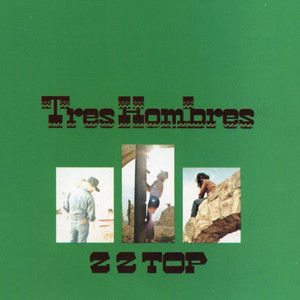
After buying Eliminator and Afterburner, I started looking further into the band and this was the album that seemed to attract the most recommendations. It soon became obvious why. Tres Hombres captures everything that makes ZZ Top so appealing: blues, boogie, swagger, humour and some seriously gritty guitar work, all wrapped up in a tight, economical album that never outstays its welcome. What ultimately secures Tres Hombres the top spot is its remarkable consistency. There is not a weak track to be found and selecting only three favourite songs was far harder than placing the album at number one.
Three favourite tracks: Waiting For The Bus, Jesus Just Left Chicago, La Grange
Listen to my ZZ Top Through the Years playlist featuring my three favourite songs from each album in chronological order.


Comments